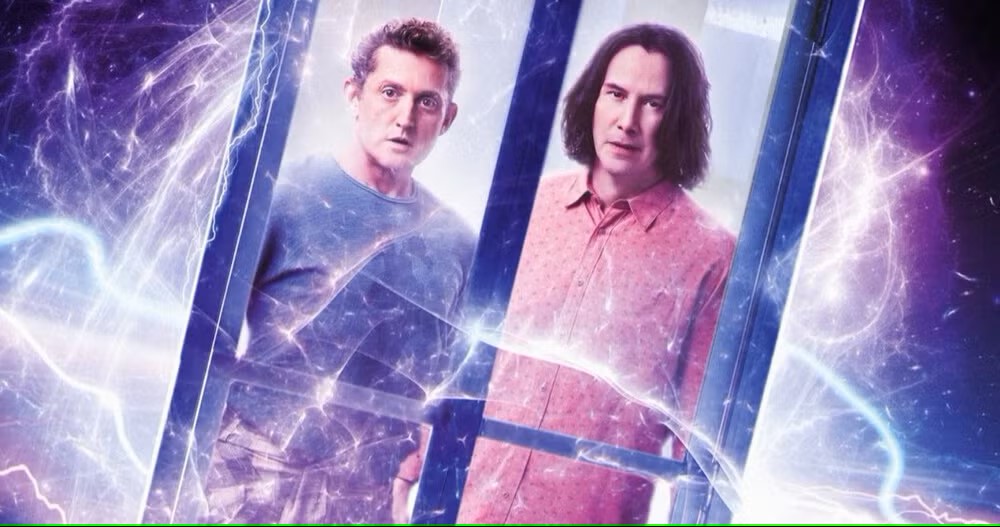
On a flight home from Boston, I found myself watching Bill & Ted Face the Music. It was Thanksgiving, and Jocelyn and I had just spent the holiday with my family, catching up with old friends and reminiscing about the past. As I settled into my seat and let the movie play, something about Bill and Ted’s journey stuck with me in a way I hadn’t expected.
For decades, we knew they were destined to save the world with their music. They knew it too. And yet, by the time we catch up with them in this final film, they’re almost fifty years old and still haven’t figured it out. They’ve tried, they’ve failed, they’ve time-traveled and faced death itself, but their big moment had always eluded them. Then, in their last shot at fulfilling their prophecy, they don’t do it alone. Their daughters step in, assemble a supergroup of musicians, and together, they finally create the song, the one that unites the world.
That story hit close to home. For years I knew The Dog Story was worth writing, a story of family, resilience, and rediscovering hope after a life-changing diagnosis. But no matter how many times I wrote, rewrote, and edited it, it always felt like something was missing. Like Bill and Ted, I had the pieces but couldn’t quite finish the song.
Then came Christmas break. My son Mason was deep in the college application process, applying to some of the most competitive schools in the country, and somewhere in the middle of essays and deadlines he started asking about the manuscript. He’d known for a while that it was sitting there, half rewritten, a monster in a box I kept promising to finish. He’s a fast reader, sharp enough that he finished third in the state in speech and debate, and he offered to read it and help.
I said yes without thinking too hard about it, figuring it might look good on an application, one more line item alongside everything else he was already doing. Williams ended up accepting him early decision that year, a year when fewer than four percent of applicants got in. He didn’t need a writing credit to get there. He was already exceptional, and I’ve genuinely never once had to ask him to do his homework. So when I look back at why he actually wanted in on this book, it wasn’t the resume. It went back further than that.
Mason has been telling me some version of “I got you, dad” since he was in third grade. That’s part of the promise this whole book is built around, and he’s been living on the other side of it his whole life, watching me fight through relapses, watching what MS actually costs a family, long before he was old enough to understand any of it in words. So when he finally sat down and read the manuscript, he wasn’t reading it like an editor with fresh eyes. He was reading it like someone checking whether the book matched what he’d actually seen.
He told me the first half worked. The hospital scenes had weight, because I’d had a diary to work from, twenty years of specific memory already written down in the moment. But the second half, he said, felt smaller than what he remembered living through. I was downplaying it. Being the tough guy on the page instead of showing what it actually felt like to go through a relapse, the fear, the not knowing if this was the one that didn’t get better. He wasn’t asking for more drama. He was asking me to stop protecting the reader, and maybe myself, from how hard it really was.
That’s not the kind of note you get from a stranger. A stranger tells you the pacing is off. Your own son telling you that you flinched away from your own story, that’s different. It landed harder because he wasn’t guessing what it cost me. He watched it cost me.
Because of that conversation, I went back and expanded the hospital scenes further and added the USS Cole flashback, one of the most powerful moments in the book now, because he pushed me to stop summarizing the fight and let the reader actually feel it. He didn’t hand me the flashback itself, that came from digging back into my own memory, but he’s the reason I went looking for it instead of leaving the gap alone.
This became more than a better manuscript. At an age when a lot of kids are pulling away from their parents, getting ready to leave for college and build a life that doesn’t need you in the same way, Mason leaned in instead. He sat with the hardest parts of his father’s story and told me the truth about them, which is its own kind of keeping the promise. I go to him before I go to the internet most days now, not because he’s my son and I have to, but because he’s got one of the sharpest minds I know, and he’s spent his whole life inside this story in a way nobody else, not even me, quite has.
Much like Bill and Ted, I didn’t finish this book alone. It took Jocelyn, my steadiest editor and partner from the very beginning, and now it took Mason too, reading the story of his own childhood back to me and telling me where I’d made it smaller than it actually was.
If Bill and Ted taught us anything, it’s that the big moment doesn’t arrive on your own timeline, and it rarely arrives alone. Sometimes you need the people who matter most, even the ones you raised, to help you finally play the song.
To everyone who’s followed this journey with The Dog Story, thank you. It’s been a long road, and I’m finally close to where I’m going. I couldn’t have gotten here without my family, or without you.
And remember, as Bill and Ted would say: be excellent to each other.
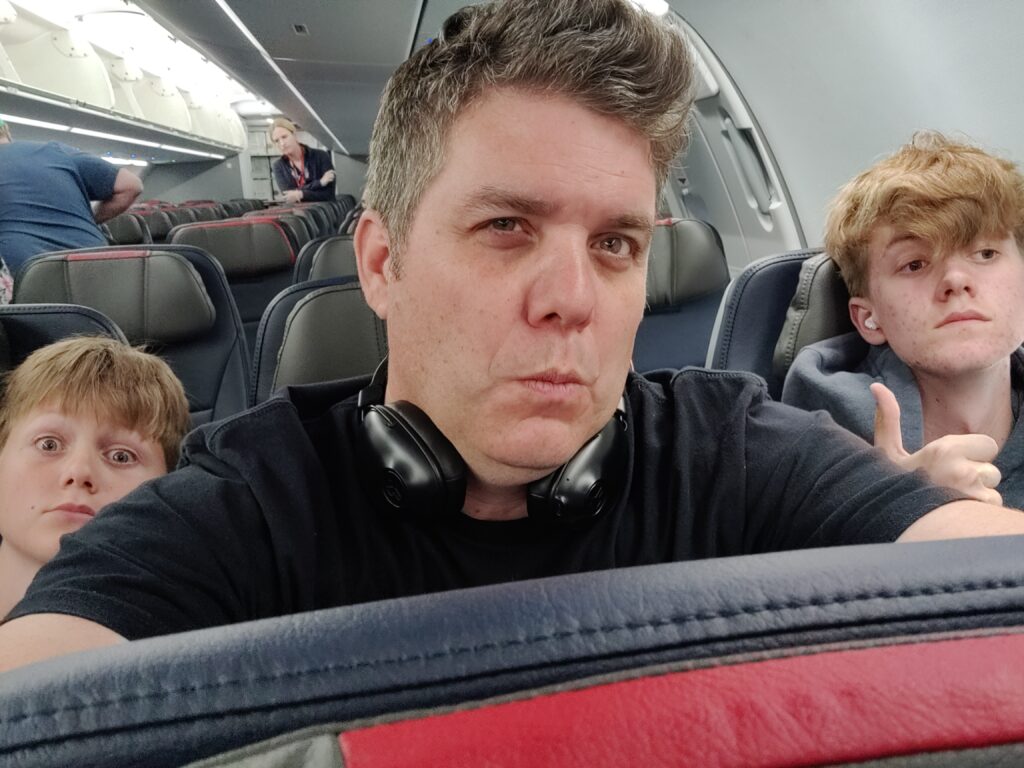
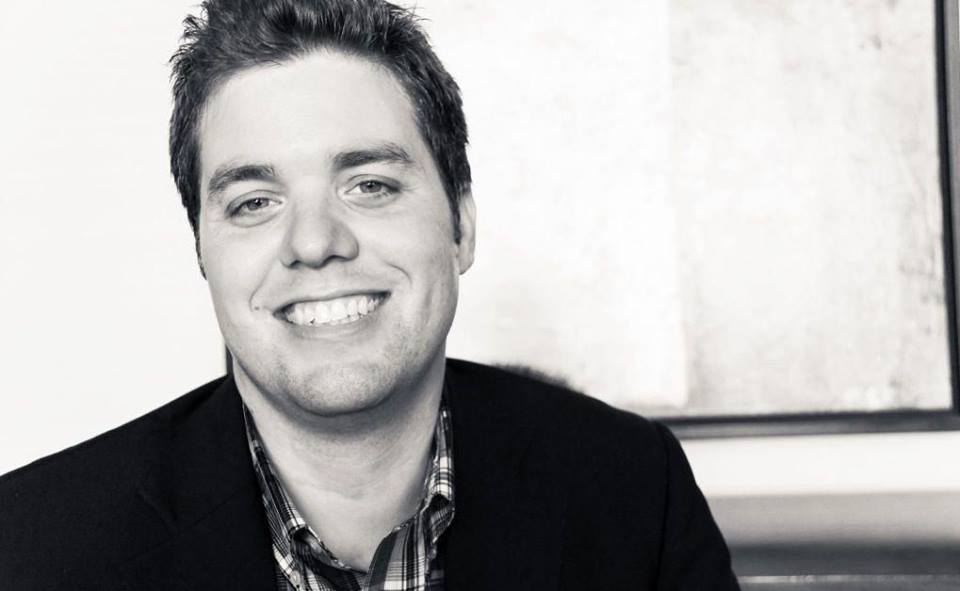
About the Author
Matt Cavallo
Author, keynote speaker, healthcare leader, and storyteller. Twenty years with MS, turned into stories that move readers, audiences, and healthcare leaders alike.