The conference room buzzed with tension. We were three days into a company summit in Sacramento, five round tables filled with team members hunched over laptops and printed documentation, hashing out our customer onboarding process. Papers rustled, pens tapped against notepads, and someone let out an audible sigh of frustration. What was supposed to be a working session had turned into a tug of war over a single process flow, one person dug in hard on the version she’d built, defending every step of it like it was under attack.
I stood at the front of the room, facilitating, watching two grown professionals argue over documentation the way kids argue over whose turn it is. Then, over the noise, one of the managers leaned toward his table and said, “There’s no such thing as good writing. Only good editing.”
The words cut through the chaos like a reset button. A few people glanced up. A few others exhaled, shoulders dropping ever so slightly. I let the moment hang for a beat before addressing the group.
“This process isn’t about proving who’s right,” I said, stepping forward. “It’s about making the final product better. Editing isn’t about tearing things down, it’s about building them up.”
The tension eased, and the group started working together instead of against each other. A few months later, I overheard that same manager using the line with someone else on his team. Barbara’s wisdom had taken on a life of its own, passed down like a gift, and she’d never even set foot in that room.
That moment took me back to 2010, when I was on the other side of the editing process, and it took me back to something I don’t talk about much, my brother Michael.
I’d just finished the first draft of The Dog Story, 124,319 words of my heart and soul. Every sentence felt painstakingly crafted. What most people don’t know is that a good chunk of those words weren’t just about me and my diagnosis. Around the same time I was in and out of hospitals with MS, Michael was fighting his own battle with addiction, and I’d written our two stories running in parallel, his and mine, side by side, two brothers each trying to survive something that could kill them. I thought it made the book bigger. I thought it made it more honest.
Then I got my manuscript back from my editor, Barbara Ardinger, Ph.D. It was 62,000 words. Half my book was gone, and almost all of Michael’s story went with it.
I was gutted. I called her. Why would she cut something that real, something that raw? She didn’t dance around it. “Matt,” she said, “there’s no such thing as good writing. Only good editing.” She explained that a reader can only carry so much dread at once. If they’re worried about whether my legs are going to work again and worried about whether my brother’s going to survive his addiction, they end up half invested in both instead of fully invested in either. One spine, she told me. Pick the one that’s actually yours to tell.
It felt like she was asking me to erase him. In the end I didn’t, not entirely. One scene survived every cut Barbara made, and it’s still in the book today. It’s the scene where Michael shows up at the hospital and brings me cigarettes, feeding the one addiction I actually had while he was fighting his own that never made it onto the page. I didn’t fully appreciate the irony of that scene until years later. My own brother, quietly enabling me in a hospital room, while the far bigger thing he was carrying got left on the cutting room floor because the book wasn’t big enough to hold both of us at once.
Michael is doing well now. Rehab, love, and time did what none of us could have forced. He’s married, he’s got a little one already, and another on the way any day now. I think about that sometimes when I reread that cigarette scene, how the book only ever showed the surface of what he was going through that year, how the reader has no idea what he actually beat to get to where he is now. Maybe someday that’s its own story. For now it lives here, in the monster in the box, one more piece of the scattered manuscript I’m still pulling apart and putting back together.
Barbara was right about the cut, even though it hurt. Going back through what she took out, I could see it for what it was, rambling, well-intentioned, but pulling the reader down a hallway that led away from the story I was actually trying to tell. Not all of your words are sacred. Not all of them serve the story, no matter how true they are or how much they cost you to write.
That lesson shaped how I approach writing, and it turns out it shaped how I run a room too. Standing in that conference room in Sacramento, watching two colleagues fight over a process flow neither of them would remember in six months, I recognized the exact same instinct I’d had in 2010, the belief that if you built it, it must be sacred, that cutting it means erasing yourself. It doesn’t. It usually just means someone else can finally see the story clearly.
So to Barbara, wherever you are: thank you. Your tough love turned a scared, rambling young writer into someone who understands that every story, whether it’s a memoir or a customer onboarding flow or a hard conversation with your own family, needs a good edit.
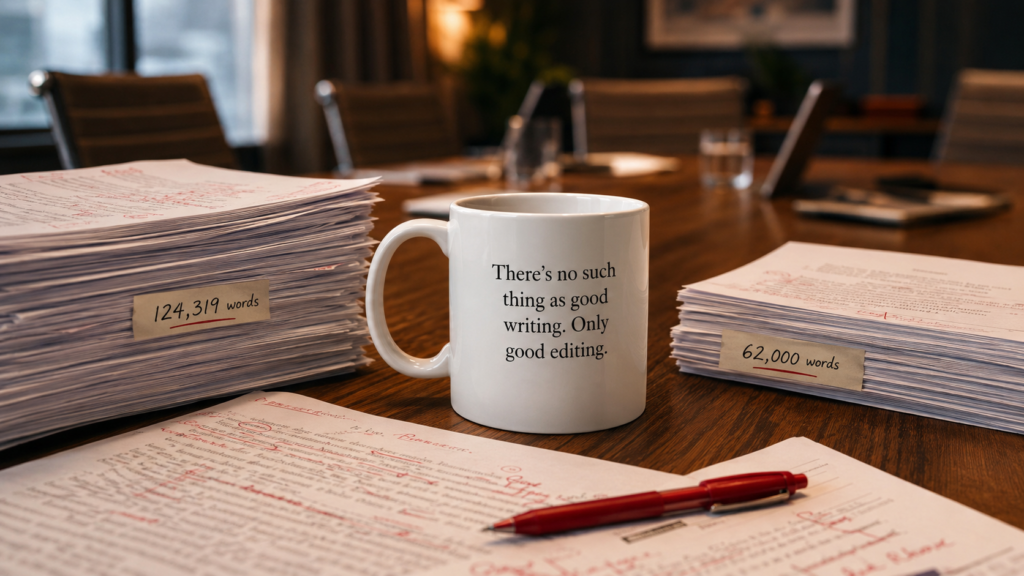
And to everyone else, remember this the next time you bristle at a suggested change. There’s no such thing as good writing. Only good editing. Put that on a coffee mug.
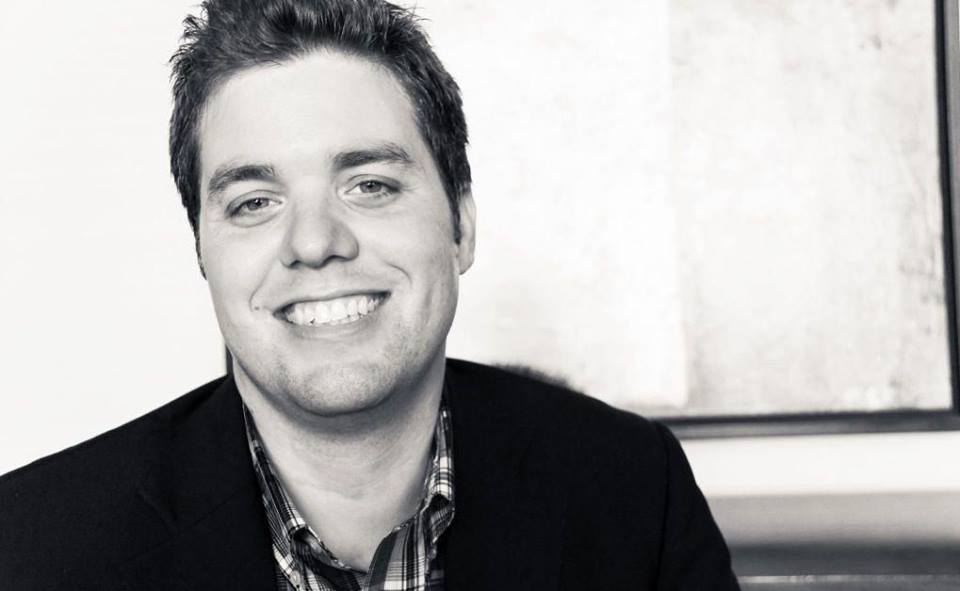
About the Author
Matt Cavallo
Author, keynote speaker, healthcare leader, and storyteller. Twenty years with MS, turned into stories that move readers, audiences, and healthcare leaders alike.